Inappropriate shoes are among the main reasons for abandonment during a stay in a tropical climate. Thick leather, prized for its durability, promotes overheating and blisters in the constant humidity of the Caribbean. Conversely, some lightweight materials, perfect for the beach, deteriorate quickly when faced with rugged trails or saltwater.
A versatile model does not exist: each activity imposes specific requirements regarding support, ventilation, and protection. Manufacturers sometimes add water-repellent treatments, effective on paper, but which lose their usefulness after a few marine immersions.
Why choosing the right shoes is essential for a trip to Martinique
On the island of flowers, selecting your pair of shoes is almost a strategy. The rugged terrain, the ambient humidity, and the rain that arrives unexpectedly all put poorly chosen shoes to the test. Ignoring these constraints quickly turns a simple walk into an obstacle course, with blisters and pain as a bonus. Betting on comfort gives your feet a chance to endure the distance: breathable materials, a sole that protects without rigidity, and a shape suited to every foot type make up the winning trio.
Discovering Martinique on foot means venturing from the small streets of Saint-Pierre to the trails of Carbet. Choosing your shoes means considering the duration of the journeys, the nature of the surfaces walked on, and that particular alternation between sticky humidity and dry heat. The ideal travel shoe supports the arch, reduces friction, and dries quickly, everything needed to ensure that even the slightest stroll doesn’t become a nightmare. Comfortable shoes are thus much more than an accessory; they are the key to a hassle-free stay.
Given such varied terrains, it’s better to plan several options: sturdy sandals for walking along the coast, technical sneakers for tackling the trails, closed shoes for strolling in the city. This is the best way to choose ideal shoes that are both suited to each activity and respectful of every foot type.
To go further and rely on proven reviews, just discover Pop Voyages. This precise guide gathers useful advice for choosing your shoes wisely and avoiding the most common pitfalls in the tropics.
Which shoes to prioritize according to your activities: beach, hiking, or urban exploration?
Beach: lightness and resistance to moisture
On the sands of Martinique, nothing beats sturdy sandals or thick-soled flip-flops. A well-fitted pair effectively protects against corals and shells while allowing you to walk on sometimes rugged coastal paths. Synthetic materials are preferred: they dry quickly and resist saltwater better than traditional leather.
Hiking: stability and protection
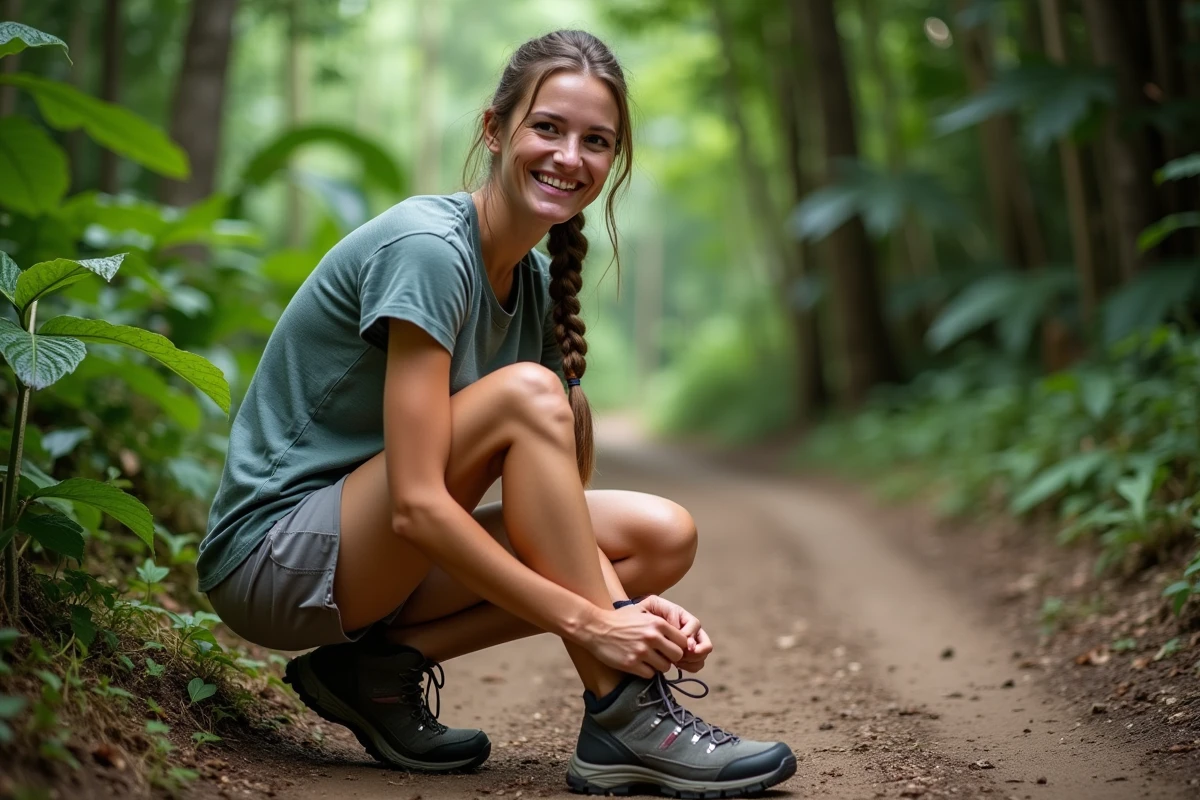
In the rainforest, on volcanic slopes, or around Mount Pelée, hiking shoes quickly become essential. Opt for a low or mid-cut pair equipped with a treaded sole that absorbs shocks and secures each step. Membranes like Gore-Tex combine waterproofing and lightness: perfect for crossing wet areas without sacrificing foot breathability. Walking shoes that allow air circulation limit sweating and blisters.
Here are some guidelines for choosing based on your routes:
- For long walks, opt for a second-skin effect pair: ankle support without unnecessary heaviness.
- For shorter strolls, a lightweight sneaker is sufficient, provided the sole has good grip.
Urban exploration: versatility and relaxed elegance
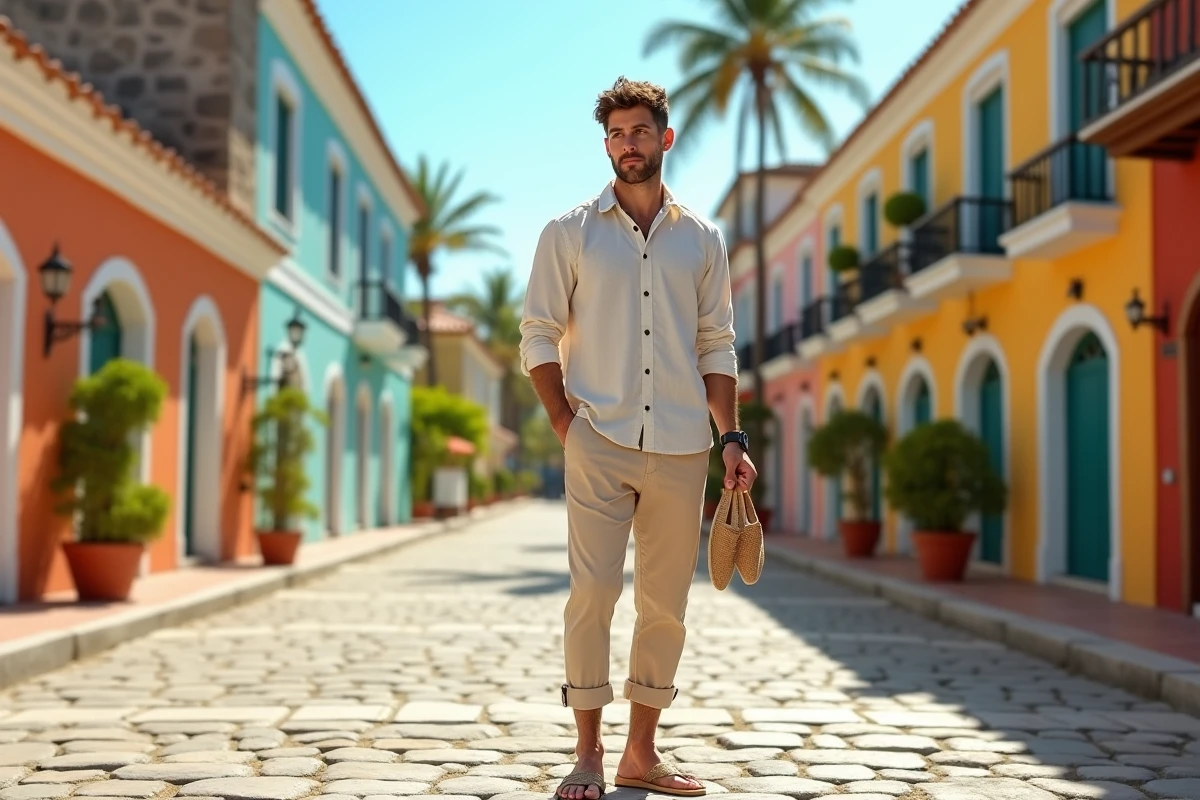
In the streets of Fort-de-France or the Creole villages, it’s about finding balance: well-suited shoes that combine flexibility, support, and a certain style. A pair of breathable sneakers with a flexible upper and a sole that follows the foot’s movement makes urban visits easier. For more dressed-up moments, lightweight canvas shoes are a must, discreet and comfortable to wear.
Extending the life of your shoes in the Martinique climate: simple and effective maintenance tips
The Martinique climate takes a toll on travel shoes: humidity, salt, sand, and temperature changes test even the sturdiest models. To keep your feet comfortable, a few gestures are enough. At the end of the day, remove the insoles and let them air dry, but never in direct sunlight, or they may warp. If the upper is leather, a damp cloth to remove salt or dust, followed by a touch of cream or wax, will keep the material supple longer.
Depending on the material of your shoes, adjust your routine:
- For canvas or synthetic, a rinse with clear water, followed by drying in the shade, is sufficient.
- For hiking shoes, brush the sole to remove mud and sand, and check the condition of the arch and seams.
- Avoid any direct heat source that attacks the glue and weakens the joints.
Regular care prevents foot pain and extends the lifespan of each pair of shoes. Store them with a shoe tree or newspaper to maintain their shape. In terms of luggage, only bring the essential travel accessories: a brush, a compact tube of cream, waterproof bags to separate wet shoes. On the beach or hiking, the attention you pay to maintenance makes a difference: it ensures comfortable shoes from the first to the last day. And on the paths of Martinique, this detail makes all the difference, allowing your memories to focus on the landscapes, not the blisters.