In France, free time accounts for a significant part of the week for most working adults, retirees and students. Leisure options have multiplied in recent years, from online platforms and local associations to public schemes such as the pass Culture.
A 2024 American survey found that around 15% of respondents regularly pursued just one hobby. This finding raises the question of how to make informed choices rather than relying on habit or whatever happens to be trending.
Budget and access to leisure activities: two often-overlooked filters
Articles about choosing a hobby almost always focus on personality, tastes and temperament. These factors matter, but they assume everyone has equal access to the options available. In reality, membership fees, required equipment and location rule out some activities before people even consider them.
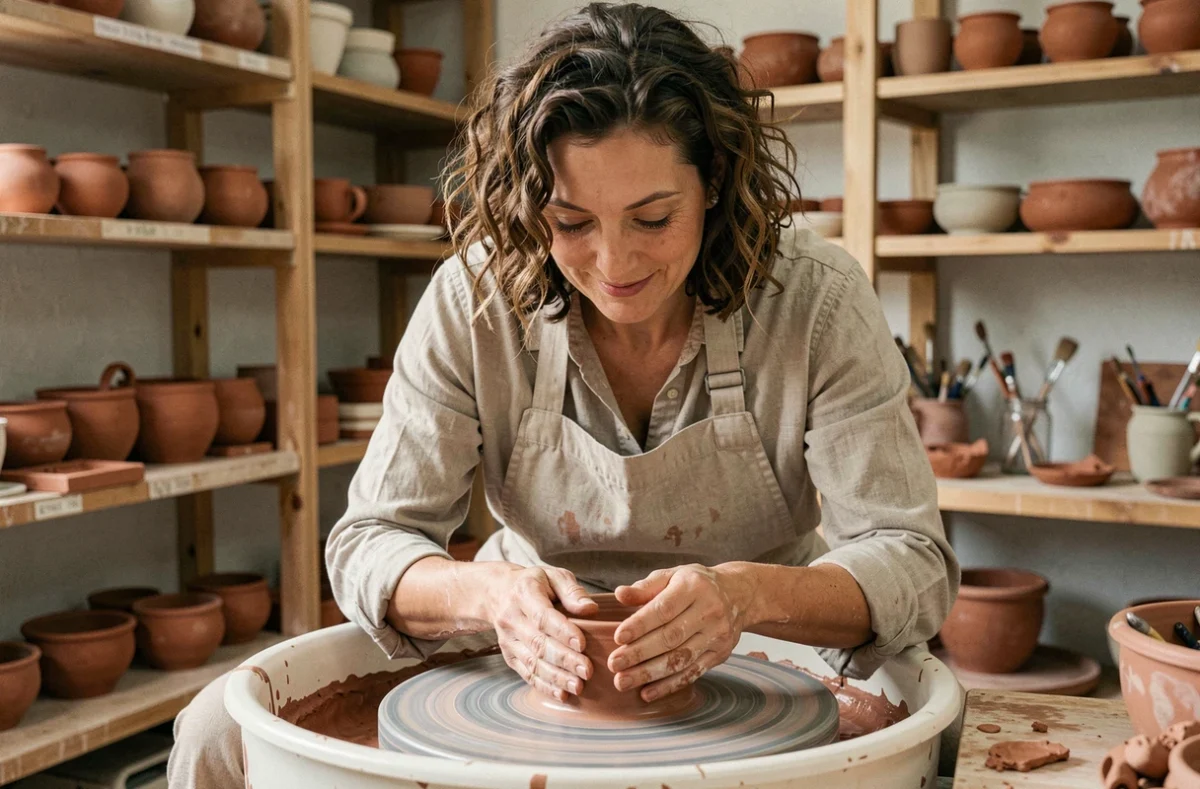
A pottery class at a shared studio, a membership in a team sports club and a subscription to a creative coworking space do not come with the same monthly price tag. Checking what financial assistance is available (municipal schemes, the pass Culture for young people, reduced rates at associations) can open up more possibilities. This groundwork helps you avoid settling for a free but uninspiring activity or giving up something you enjoy because you can’t afford it.
To explore different options and compare activities available near you, the leisure section on Actu Web brings together ideas by category and can provide a practical starting point.

Three types of leisure activities and what they really involve
In a 2025 article for Psychology Today, psychologist Mark Travers offers a simple framework: a physical hobby, a creative hobby and an intellectual hobby. The idea is that each type engages a different dimension (the body, self-expression or cognition), and combining them can meet a broader range of needs.
Physical activity: more than competitive sport
Walking, swimming, dancing, yoga and cycling for transport: physical hobbies are not limited to competition or the gym. What matters is consistency and enjoyment during the activity, not a measurable result. Someone who hates running but loves hiking in the woods will get more out of a weekly nature walk than a running plan they give up after three weeks.
Creative activity: effects vary from person to person
Drawing, painting, writing, music, sewing and creative cooking are often presented as remedies for stress. Recent studies, covered by Psychology Today in October 2026, do report lower perceived stress after art-making sessions. However, the authors qualify this finding: the effects vary depending on the person and the context. A creative hobby that causes frustration (perfectionism, comparison) can have the opposite effect to the one intended.
The most reliable approach is to try things without aiming for a particular result. Paint without exhibiting your work, write without publishing, cook without entering a competition: enjoying the process is still the best indicator.
Intellectual activity: satisfy your curiosity without school-like pressure
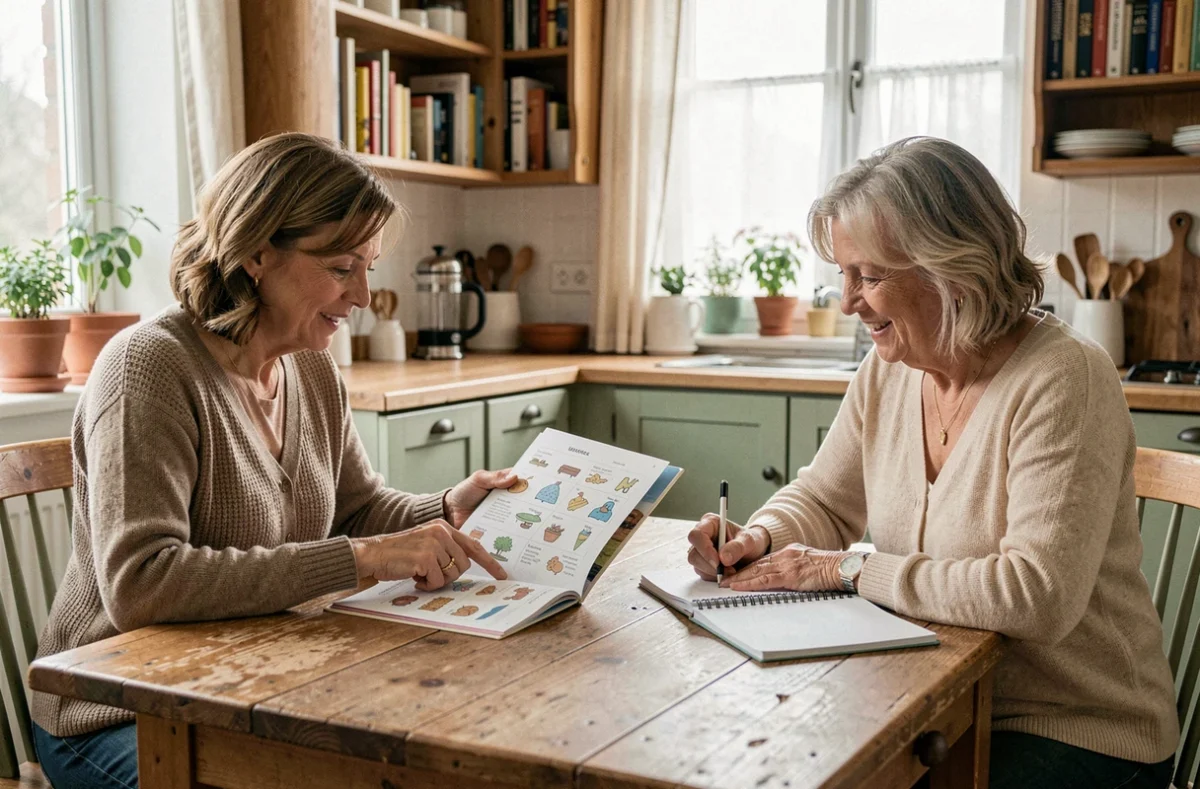
Strategy games, learning a language, themed reading, online courses and philosophy workshops: intellectual hobbies work best when they move away from a school-like format. The difference lies in the absence of penalties and the freedom to set your own pace. An adult taking an online botanical drawing class can stop, pick it up again or switch to watercolour without any consequences.
Outdoor hobbies: potential benefits, but no guarantees
Outdoor activities (gardening, hiking, nature watching and running in the woods) are attracting growing interest in health research. A systematic review of adults aged 50 and over found potential benefits for well-being, reduced loneliness and stronger social connections.
However, the authors of the review rated the scientific evidence as low or very low in certainty. Choosing an outdoor hobby because you enjoy being outside is a good reason. Choosing one in the hope of achieving a specific therapeutic effect may lead to disappointment. This nuance is missing from most leisure guides, which present nature as a universal solution.
Practical criteria for choosing a hobby that fits your daily life
Beyond the broad categories of activities, a few practical questions can help you narrow down your options realistically:
- Does the available time slot fit the activity? A two-hour group class on Saturday morning may not suit someone whose weekends are already packed, even if the activity sounds appealing on paper.
- Can you do the activity alone, or does it require a group? Hobbies that depend on a partner or a minimum number of participants (team sports, role-playing games) require coordination, which can become a barrier.
- Can you get started without a major investment? Some activities (film photography, sailing, horse riding) require expensive equipment from the outset, while others (writing, drawing, running) need very little.
- Is the activity compatible with any physical or health-related limitations? Someone with joint pain may prefer swimming to running, or tai chi to tennis.
These criteria are not minor details. A hobby abandoned after a month has enriched no one. Consistency matters more than the initial burst of enthusiasm.
Try before you commit: the only reliable method
Personality quizzes and lists of ideas tailored to different profiles (introverted, creative, sporty) can help you start exploring. But their limitation is clear: they cannot predict how much you will actually enjoy doing the activity. Direct experience is the only reliable measure.
Most associations and clubs offer free or discounted trial sessions at the start of the season. Neighbourhood forums, cultural centres and MJC youth and community centres regularly hold open days. Trying three different activities over a month costs less than signing up for an annual membership that turns out to be a poor fit.
Giving up a hobby you’ve tried is not a failure. It tells you what doesn’t suit you, just as a successful trial tells you what does. Free time becomes more rewarding when it is shaped by choices tested in practice rather than by theoretical assumptions.