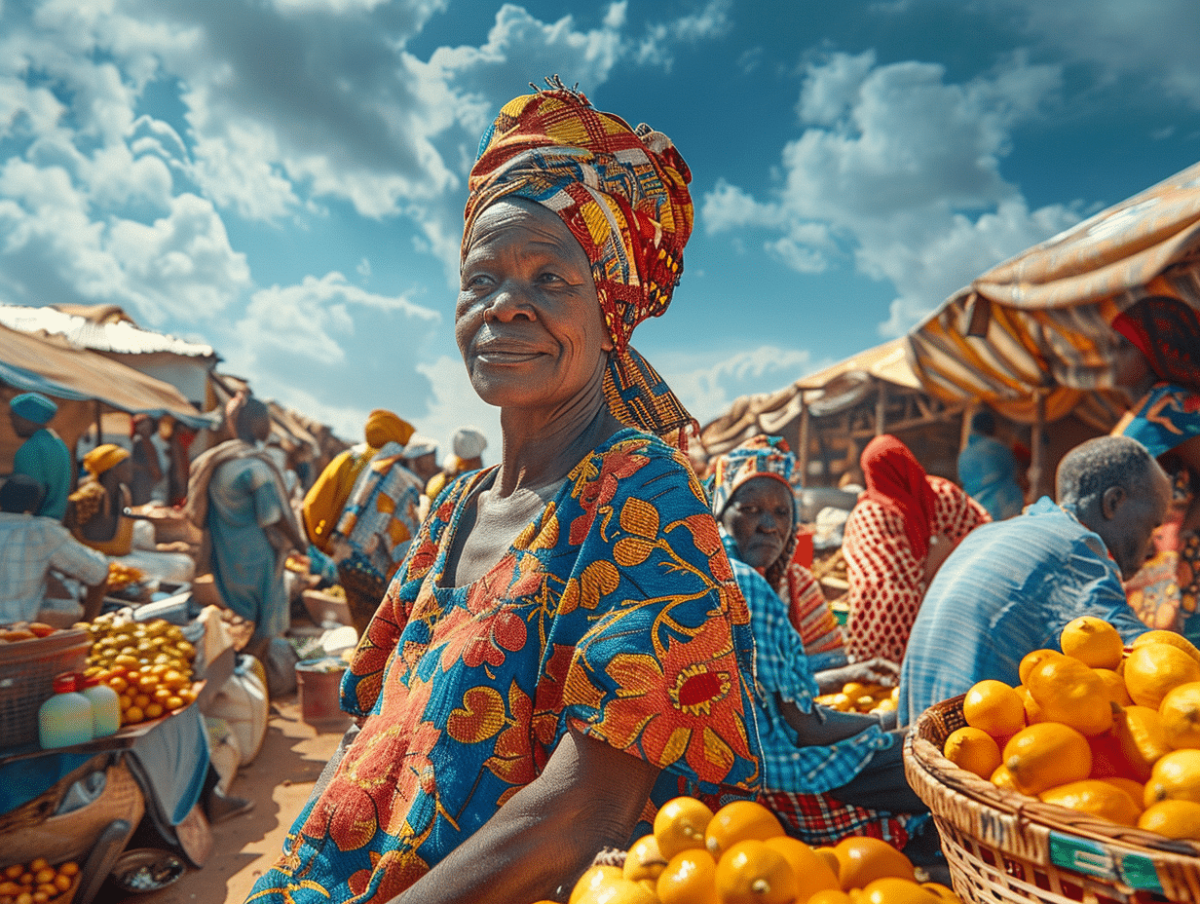
The African continent, often viewed through the lens of media and government warnings, can suffer from a reputation that is not always aligned with the reality on the ground. This perception can lead to misconceptions that deter potential travelers. However, many African countries offer rich and safe experiences for tourists. It is essential to deconstruct myths and provide a more nuanced image of travel safety in Africa, based on updated data and testimonials from those who have taken the plunge and discovered the diversity and warmth that this continent has to offer.
Perceptions vs Reality: Analyzing Safety in Lesser-Known African Destinations
In the vast chessboard of global perceptions, Africa often stands as a land of uncertainties and unfounded fears. The question arises: Is Togo a dangerous country? Contrary to stereotypes, this West African country refutes preconceived notions with a very different reality: legendary hospitality and relative safety, far from the image portrayed by some media. Togo, a victim of a tarnished reputation, deserves a reevaluation of risks based not on biases but on testimonials and current studies.
Johannesburg, a city at the heart of Southern Africa, bears the label of the most dangerous city in terms of crime in South Africa. A detailed analysis reveals that this city, like neighborhoods such as Soweto, Cape Town, or Durban, has areas where security management is optimized and where the savvy traveler can move with caution and peace of mind. Local policy regarding human rights and security must be scrutinized to understand the nuances and progress made.
The ethnic diversity and socio-economic issues of South Africa, marked by apartheid, have exacerbated poverty and, by extension, crime. It is a reductive view to consider only this aspect. South Africa, like the entire African continent, offers a mosaic of cultures, landscapes, and experiences that deserve exploration. Social media and stories shared by travelers are valuable resources for deconstructing prejudices and presenting a more accurate image of reality.
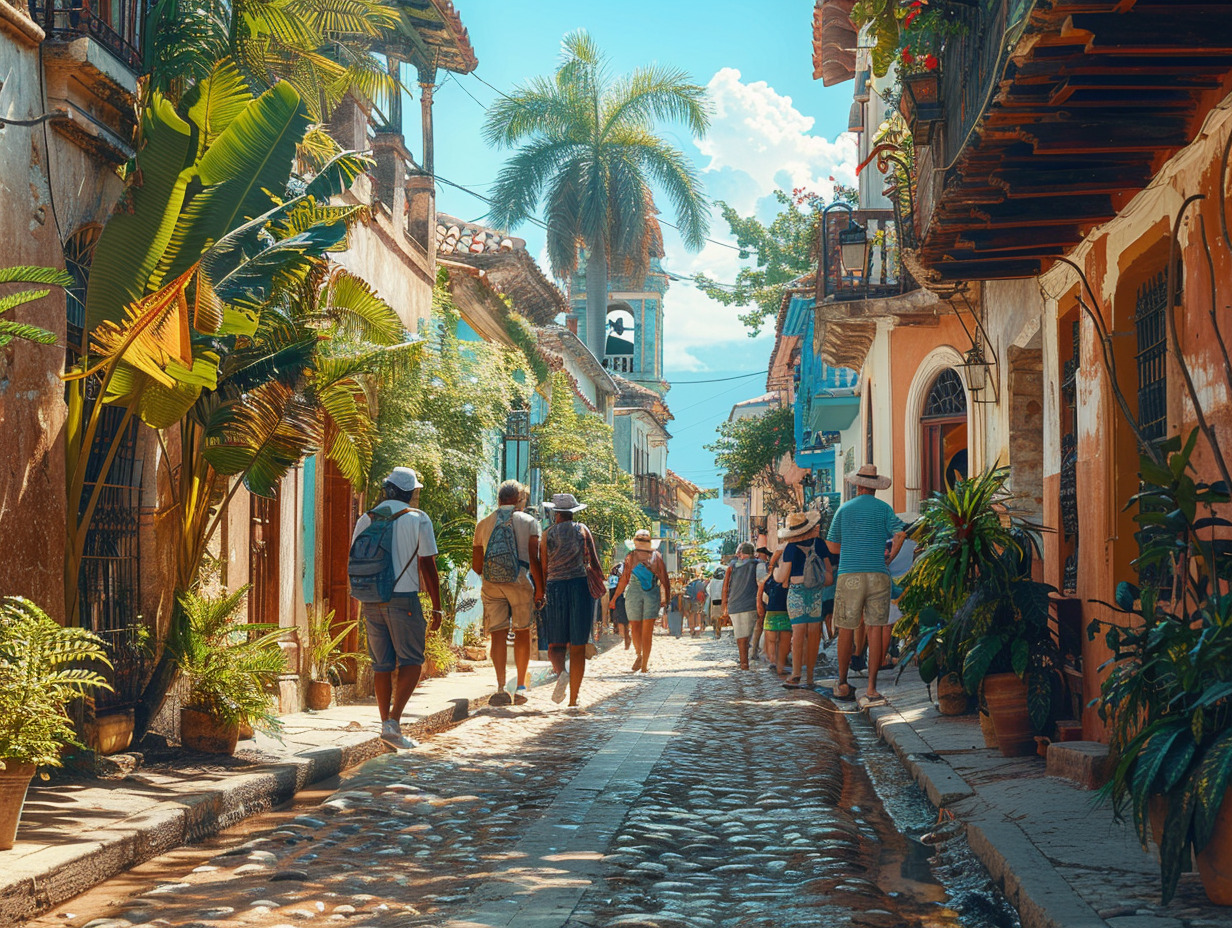
Travel Strategies: How to Prepare for a Safe and Enjoyable Stay in Africa
First and foremost, consult the travel recommendations issued by the Ministry of Foreign Affairs. These regularly updated guidelines are valuable beacons for travelers. They address both safety and health issues, including prevention against diseases such as malaria, chikungunya, and dengue. These parasitic diseases, transmitted by mosquito bites, require particular vigilance and preventive treatment.
Regarding health, adequate preparation involves vaccination and assembling a suitable medical kit. Vaccination centers can advise travelers on the measures to take before departure. Malaria, in particular, although present in countries like South Africa, can be avoided through the use of antimalarials and effective repellents.
In terms of security, it is advisable to prioritize areas where security management is established. City centers, often better monitored, may be preferred over peripheral neighborhoods. Main activities such as museum visits, excursions, or safaris should be organized with recognized operators known for their reliability and local knowledge.
Understanding local customs and respecting human rights are essential elements for a successful stay. Engaging with the local population, immersing oneself in the culture, and understanding socio-political issues are keys to fully appreciating the African experience and contributing to mutual respect between visitors and local communities.