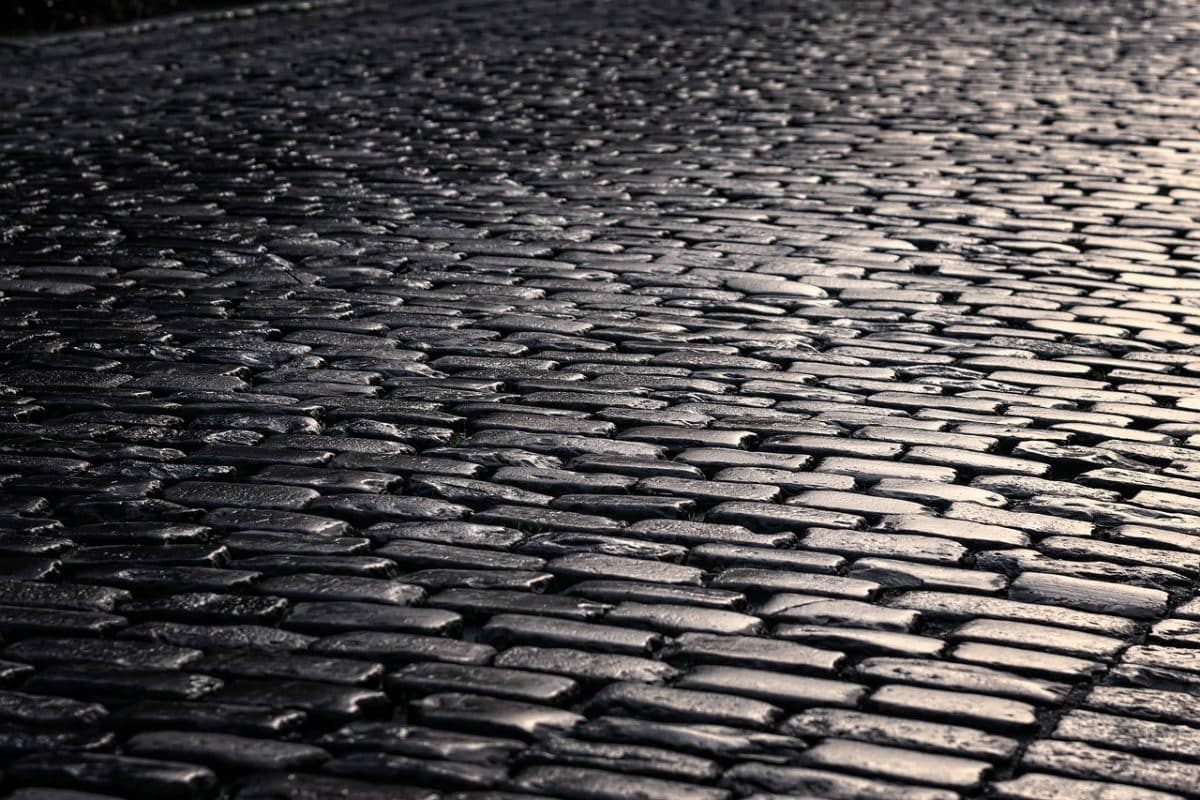
A too thin paver under the wheels of a car guarantees rapid sinking and early repairs. When it comes time to design a driveway or give a second life to a courtyard, the thickness of the surface is not a technical detail: it makes the difference between a surface that lasts for years and a project that needs to be redone soon. Driveway pavers are designed to endure traffic, absorb the elements, and maintain their stability despite repeated use. To avoid unpleasant surprises, it is better to focus on this crucial thickness. Let’s review the concrete criteria to consider in order to choose the right dimension and ensure the robustness of the work.
Structural parameters: what really matters
Before even aligning the first row, it is essential to examine three fundamental aspects to ensure the longevity of the driveway paver you plan to install. These structural criteria guide the choice of thickness and determine the overall resistance.
Here are the elements to analyze before getting started:
- Soil type: A clayey terrain, prone to movement and deformation, requires additional precautions. In contrast, a sandy soil is often more stable.
- Type of vehicle: A driveway reserved for light cars can make do with thinner pavers, while the regular passage of a utility vehicle, van, or heavy truck clearly requires reinforced materials.
- Thickness of the bedding layer: This layer of sand, gravel, or stone must be suited to the terrain and provide a uniform base to absorb pressure without fail.
Key indicators for thickness
Industry professionals and reference organizations have established precise recommendations based on multiple projects and technical tests. These indicators remain the safest way to avoid making the wrong choice in dimension, lest you have to intervene again far too soon.
For a driveway intended solely for cars or light utility vehicles, a thickness of 6 cm is sufficient in almost all situations. If the driveway will accommodate trucks, vans, or trailers, opting for pavers of 8 to 10 cm prevents cracks, settling, and other inconveniences.
A homeowner who makes the right thickness choice maximizes their chances of preserving their investment. A well-sized paver limits wide joints, unstable surfaces, and prevents the courtyard from turning into a pond after the slightest rain.
Follow installation steps for a solid surface
Choosing the right thickness is not enough: the quality of the installation makes all the difference over time. Each step executed seriously enhances the stability and durability of the work.
Here is the timeline to follow to avoid disappointments:
- Soil preparation: The ground must be stripped, leveled, and carefully compacted to provide a stable and uniform support.
- Foundation installation: A layer of gravel 15 to 20 cm thick ensures water management and distributes the load. This step clearly limits the risks of stagnation and sinking.
- Implementation of the bedding layer: A thin layer of graded sand (3 to 5 cm), perfectly flat, welcomes the pavers and offers the required flexibility for their adjustment.
- Placement and finishing: The pavers are meticulously aligned, the joints filled, and the whole is solidified by passing a vibrating plate.
This is often observed on-site: in a small residential courtyard, a neglected sub-layer is enough to cause pavers to shift by the first winter. Conversely, a methodical installation allows certain surfaces to remain impeccable despite the seasons and repeated vehicle traffic.
Monitoring and maintenance: the key to longevity
From the end of the project, regular maintenance comes into play to preserve the solidity built up through the previous steps. Sweeping, weeding, ensuring joint waterproofing: these simple habits prevent water infiltration, slow moss growth, and reduce the risk of settling. The efforts made during installation then find their true reward over time.
Choosing the right thickness and not neglecting any phase of the project means betting on real peace of mind, not just immediate but lasting. With every wheel passing over the driveway, the solidity of the path reminds you of the wise choice of thorough preparation. More than just a technical detail, the thickness of the paver embodies the art of planning ahead, so you never have to start over too soon.