Choosing a car that suits your real life, maintaining it properly and getting the most out of it every day doesn’t require you to be a mechanic. A few practical pointers are all it takes to avoid costly mistakes, both when buying and when driving. The often-overlooked first step is to assess your actual journeys rather than aiming for maximum versatility on paper.
Choose a car based on your actual journeys, not an ideal scenario
Have you ever noticed that a car bought to “do everything” often ends up doing nothing perfectly? A family SUV parked in the city can make everyday parking a hassle. A compact city car can become uncomfortable on frequent long motorway journeys.
The most reliable approach is to keep a record of every journey you make over two weeks: distance, number of passengers and type of road. In most cases, everyday trips cover just a few dozen kilometres. Your vehicle should suit these frequent journeys, not your annual holiday trip, for which renting a car or taking the train may be simpler options.
For an electric car, where you can charge it matters more than its advertised maximum range. A model with a more modest range that you can plug in every night at home or at work will be more practical than a long-range vehicle that depends on public charging stations.
When buying a used electric car, it’s worth checking the battery’s remaining capacity (known as SOH, or “State of Health”): this reflects actual wear far better than mileage alone. Resources such as https://automaniacs.be can help you explore these technical questions about choosing and maintaining a vehicle.
Urban traffic restrictions add another often-overlooked consideration. Low-emission zones (LEZs) vary from one city to another. Check your local authority’s Crit’Air rules before buying to avoid ending up with a vehicle that isn’t suited to your usual journeys. Some restriction schedules may change, making this check all the more useful.
Total cost of ownership: look beyond the purchase price
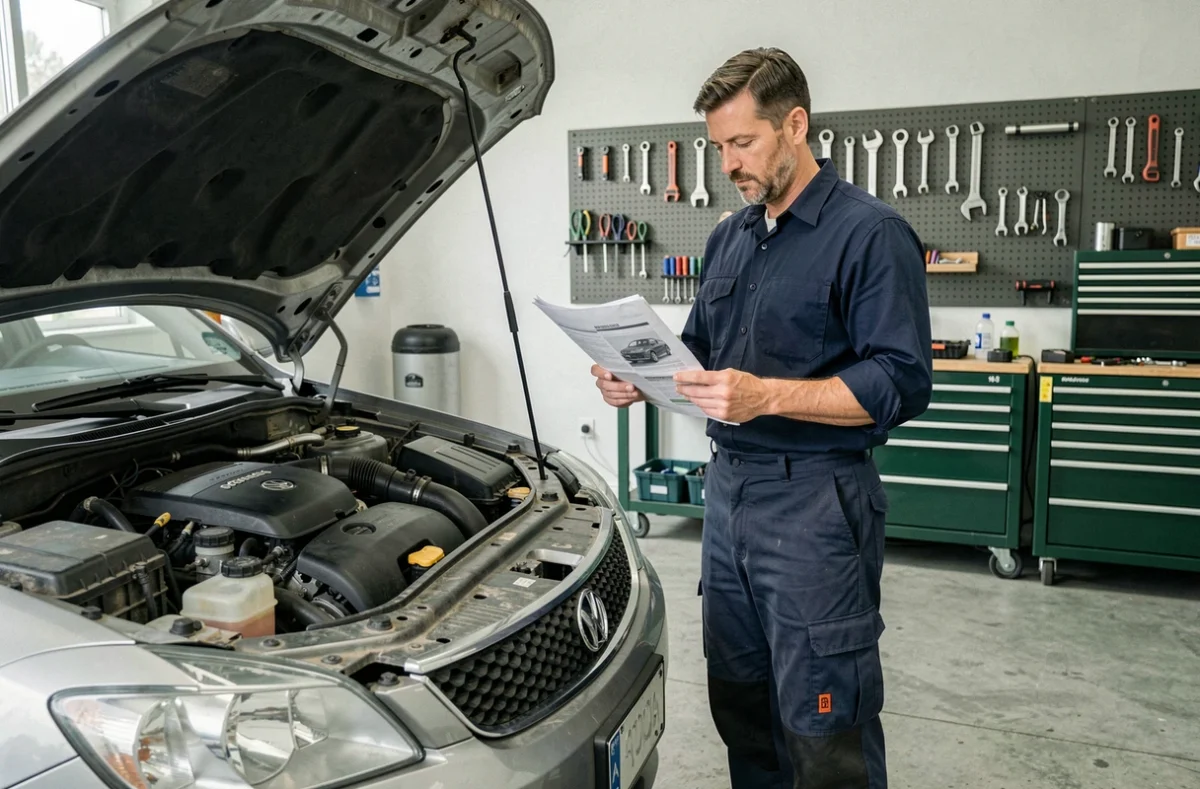
The price shown at the dealership is only a fraction of what a car really costs. Fuel or electricity, insurance, maintenance, depreciation and parking all add up to a substantial amount over several years.
Comparing total cost of ownership rather than just the list price often changes how two models stack up. A used electric car, for example, may have a lower overall monthly cost than a new entry-level petrol or diesel model, thanks to lower energy and maintenance costs. However, the comparison varies depending on the powertrain and whether the vehicle is new or used. These estimates are for comparison only and are not a guaranteed budget.
Costs to keep a close eye on
- Insurance, which varies considerably depending on the model, the driver’s age and location. Getting several quotes before buying helps you factor this cost into your decision.
- Actual fuel or energy consumption, which is often higher than the manufacturer’s figures. Feedback from users on specialist forums can give you a better idea.
- Depreciation, which is particularly steep during the first two years for a new vehicle. A recent used model has already absorbed this initial loss in value.
- Tyre and brake costs, which are recurring expenses that are often underestimated, especially now that Euro 7 regulations also cover particles from brake and tyre wear.
Routine car maintenance: simple steps to extend your vehicle’s life
Regular maintenance involves more than an annual oil change. A few simple checks that require no special equipment can make a real difference to your vehicle’s lifespan and safety.
Engine oil and fluid levels
Checking the engine oil level once a month takes two minutes. Running an engine with too little oil accelerates wear. Coolant and brake fluid deserve the same attention. An unusually low brake fluid level may indicate worn brake pads or a leak—both of which directly compromise safety.
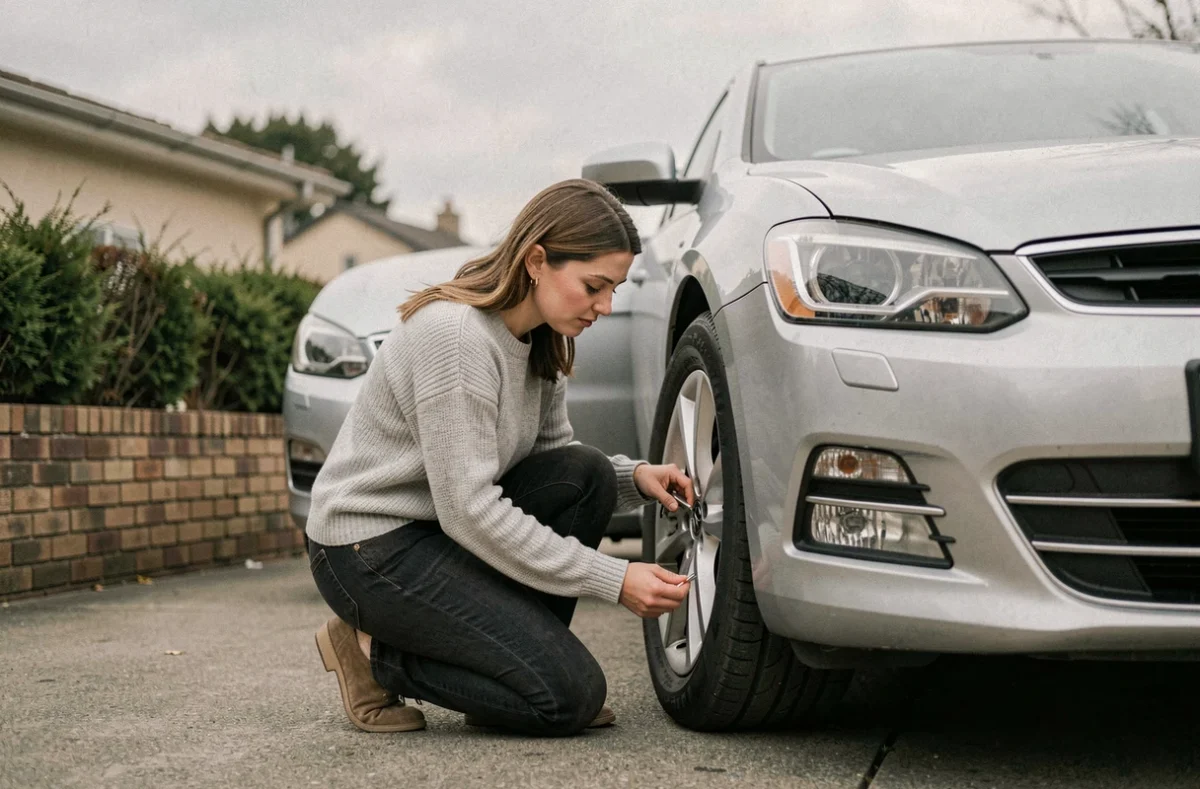
Tyre pressure and tread condition
Underinflated tyres increase fuel consumption and lengthen braking distances. Check tyre pressure when the tyres are cold, ideally every three to four weeks. You can check tread wear visually using the wear indicators built into the grooves.
Uneven tyre wear often points to a wheel alignment problem, which is best corrected before replacing the tyres.

Roadworthiness testing and owner responsibility
Periodic roadworthiness tests check a number of regulatory requirements. However, regulations also make clear that owners remain responsible for keeping their cars in good condition between tests. Passing a roadworthiness test does not remove the need to check your vehicle regularly. Brakes, shock absorbers and lights can deteriorate well before your next appointment.
Enjoy your car every day instead of letting it become a burden
A well-chosen, well-maintained car becomes a reliable tool rather than a source of stress. A few simple habits can make it even more comfortable to use.
Regularly cleaning the interior, for example, isn’t just about appearances. Dust that builds up in air vents and damp floor mats in winter can lead to unpleasant odours and bacterial growth. Vacuuming every two weeks and cleaning frequently touched surfaces helps keep the cabin healthy.
For occasional journeys that exceed your vehicle’s capabilities—moving house, a long trip with several passengers or a drive through the mountains—car-sharing or renting a vehicle as needed are sensible options. Owning a car doesn’t mean it has to meet every mobility need.
- Adapt your driving to the type of powertrain: an electric motor doesn’t need to warm up, unlike a diesel engine in cold weather.
- Combine short trips to limit cold starts, which cause more engine wear and increase fuel consumption.
- Keep the service record up to date, which makes the car easier to sell and reassures prospective buyers.
Choosing a car, maintaining it and using it all go hand in hand. A vehicle suited to your actual journeys, looked after with a few simple checks and supplemented by other forms of transport when appropriate, is the most economical and enjoyable combination.